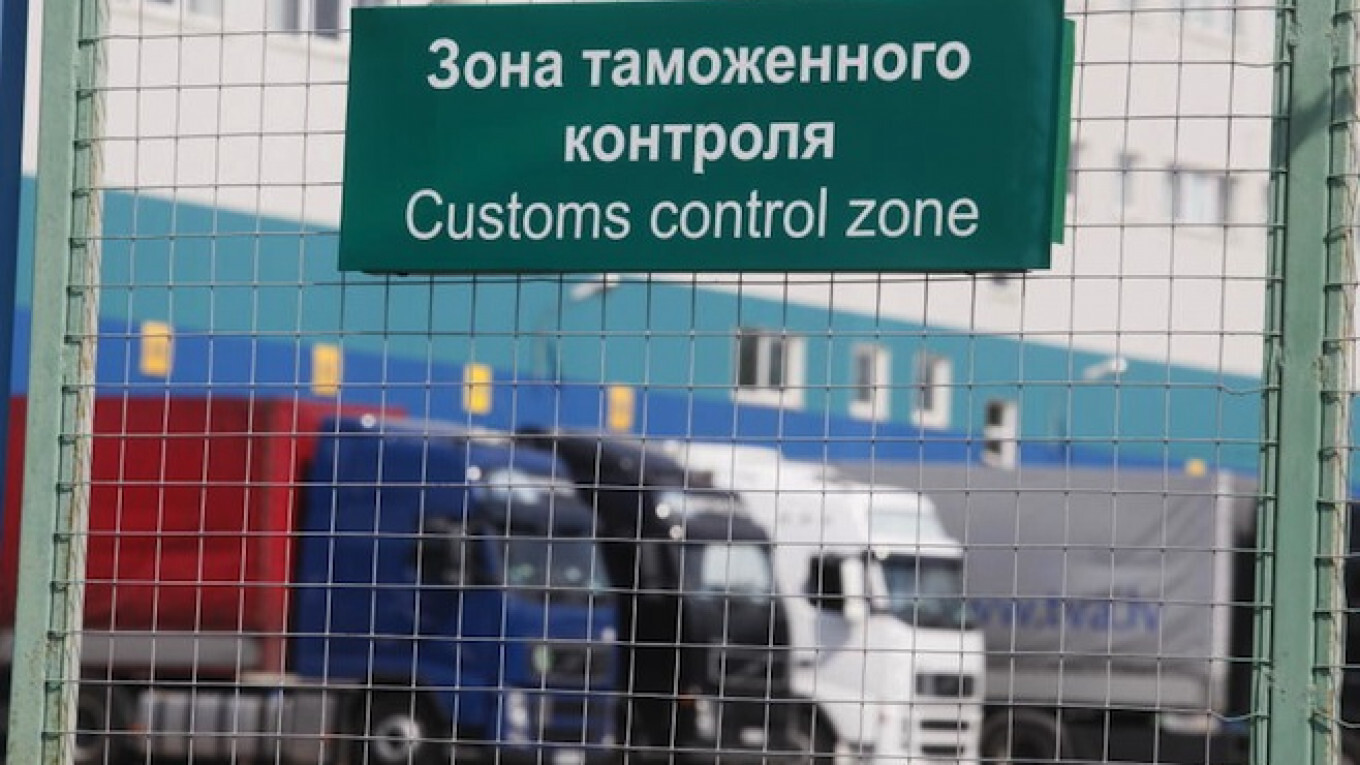
Russian customs may confiscate goods that violate customs regulations or laws. Examples include:- Prohibited goods — narcotics, weapons, explosives and other dangerous items.
- Counterfeit goods — fake branded products and goods infringing intellectual property rights.
- Undeclared goods — undeclared items exceeding permitted limits.
- Sanctioned goods — goods subject to sanctions and prohibited from import.
Depending on category and condition, confiscated goods may become federal property, be sold or destroyed. Consumer goods, vehicle parts and tobacco may be transferred to Rosimushchestvo for sale. Some items may be donated to museums or other institutions. Unsafe or spoiled goods are usually destroyed.How customs inspects cargoInspection involves several stages and varies by cargo type and origin. Customs generally checks the following:All accompanying documents, including invoices, waybills, certificates and permits. Inconsistencies or missing information can lead to further requests.- Inspection and detailed examination
Visual inspection without opening packaging, followed where needed by opening packages and checking contents. This can include weighing and container scanning using customs inspection systems.- Commodity code compliance
Declared EAEU commodity codes are checked against actual goods. Additional supporting documents may be requested where doubts arise.- Labelling and composition
Labels and product composition are checked against customs documents and legal requirements.The process aims to prevent prohibited or restricted imports and detect legal violations and customs duty evasion. How confiscated goods are storedConfiscated goods are stored under prescribed rules. Customs must safeguard seized items until the case is resolved. Storage may be entrusted to third-party organisations under paid or unpaid state contracts. Storage duration depends on the case. Goods are generally held in temporary storage until a court determines their fate. Detention versus confiscationCargo detention and confiscation are distinct processes that can occur at customs and should be clearly distinguished. Cargo detention- A temporary measure suspending release for additional checks.
- Reasons include document errors, commodity code discrepancies, suspected smuggling or customs violations.
- Goods may be detained for up to 14 days, or in some cases 30 days.
- Once the reasons are resolved and requirements met, the goods may be released to the owner.
Confiscation- A permanent measure seizing goods because of a legal violation.
- Reasons may include prohibited, counterfeit, undeclared or sanctioned goods.
- Depending on condition and category, confiscated goods may become federal property, be sold or destroyed.
- Recovering confiscated goods is harder than resolving a detention.
Can confiscated cargo be recovered?Recovery depends on the circumstances and grounds. If confiscation was unlawful or mistaken, apply to customs or a court, retaining documents proving ownership. Lawfully confiscated goods are harder to recover. Legal advice is recommended to understand your rights and options.