
Large shipments.
Greater possibilities.
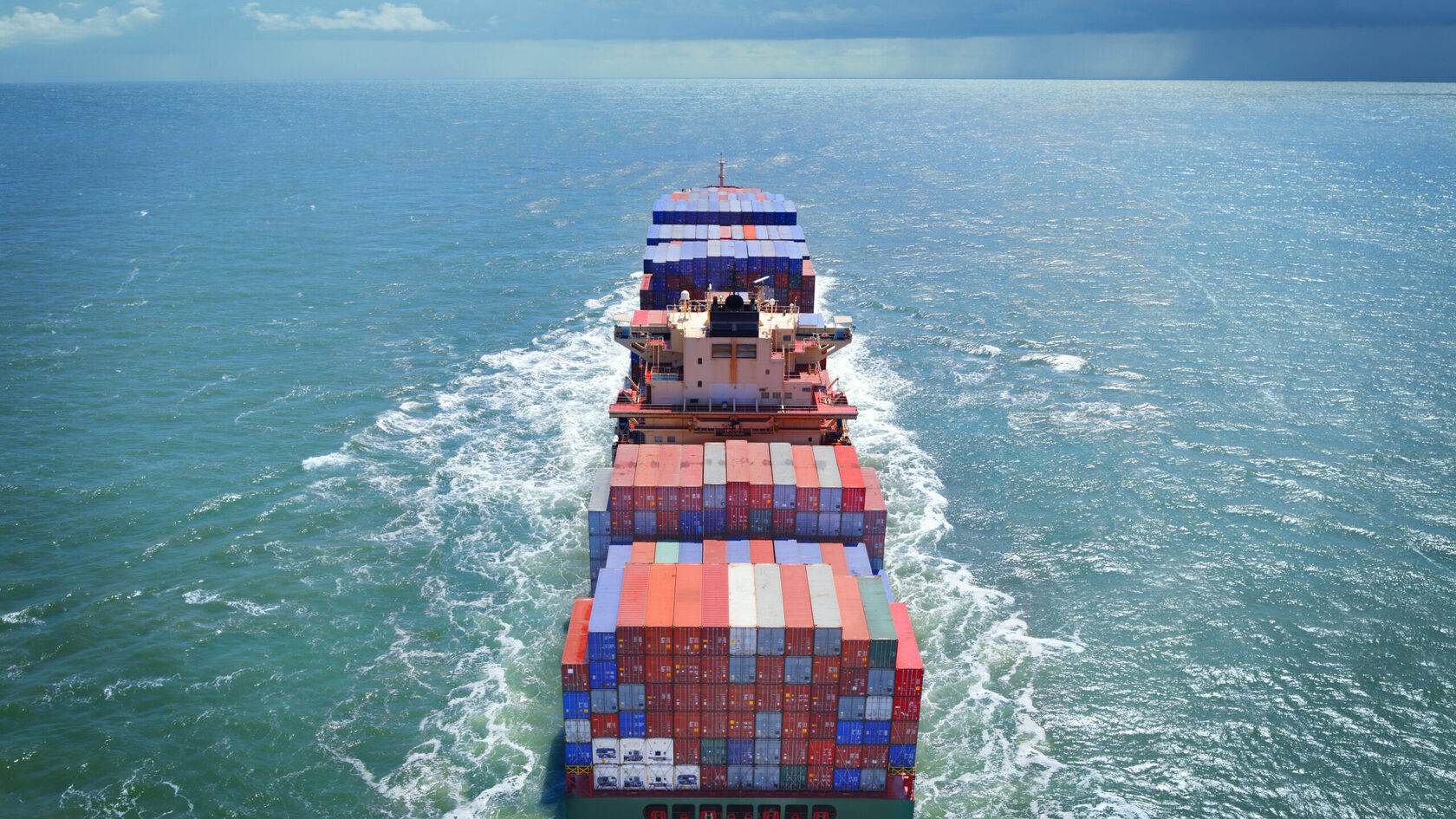
Sea freight
Agent network
Special equipment
Imports and exports
From enquiry
to consignee.
01 We receive cargo details and the route 02 We contact the shipper 03 We agree booking and paperwork 04 We monitor shipment progress 05 We arrange delivery to the consignee
When a route needs extra attention
Booking
Export paperwork
Schedule changes
Unexpected situations
Let's explore
the details.
Which goods are commonly transported by sea?
Containerised cargo: Consumer goods, electronics, clothing and many other products. Dry bulk cargo: Coal, ore, grain and other loose bulk materials. Liquid cargo: Oil, petroleum products and liquefied gas transported in tankers. Oversized and heavy cargo: Special machinery, vehicles and industrial equipment. Food products: Including frozen and chilled foods requiring special storage conditions.
Advantages of sea freight
Cost efficiency: Sea transport is often the least expensive way to move large cargo volumes over long distances. Capacity: The ability to move large consignments, including oversized and heavy cargo. Environmental impact: Sea freight has a smaller carbon footprint than air and road transport. Access to deep-water ports: This expands delivery coverage and enables access to remote regions.
Which cargo cannot be transported by sea?
What is FR (Flat Rack) equipment?
Flexibility: Transporting goods that cannot fit into standard containers. Strength: High durability and the ability to withstand heavy loads. Ease of loading: The absence of side walls provides easy access to cargo.
When is Open Top equipment useful?
Versatility: Suitable for cargo that cannot be loaded through standard container doors. Easy loading: Vertical loading using a crane or other equipment. Cargo protection: A tarpaulin or other cover protects cargo from external exposure.