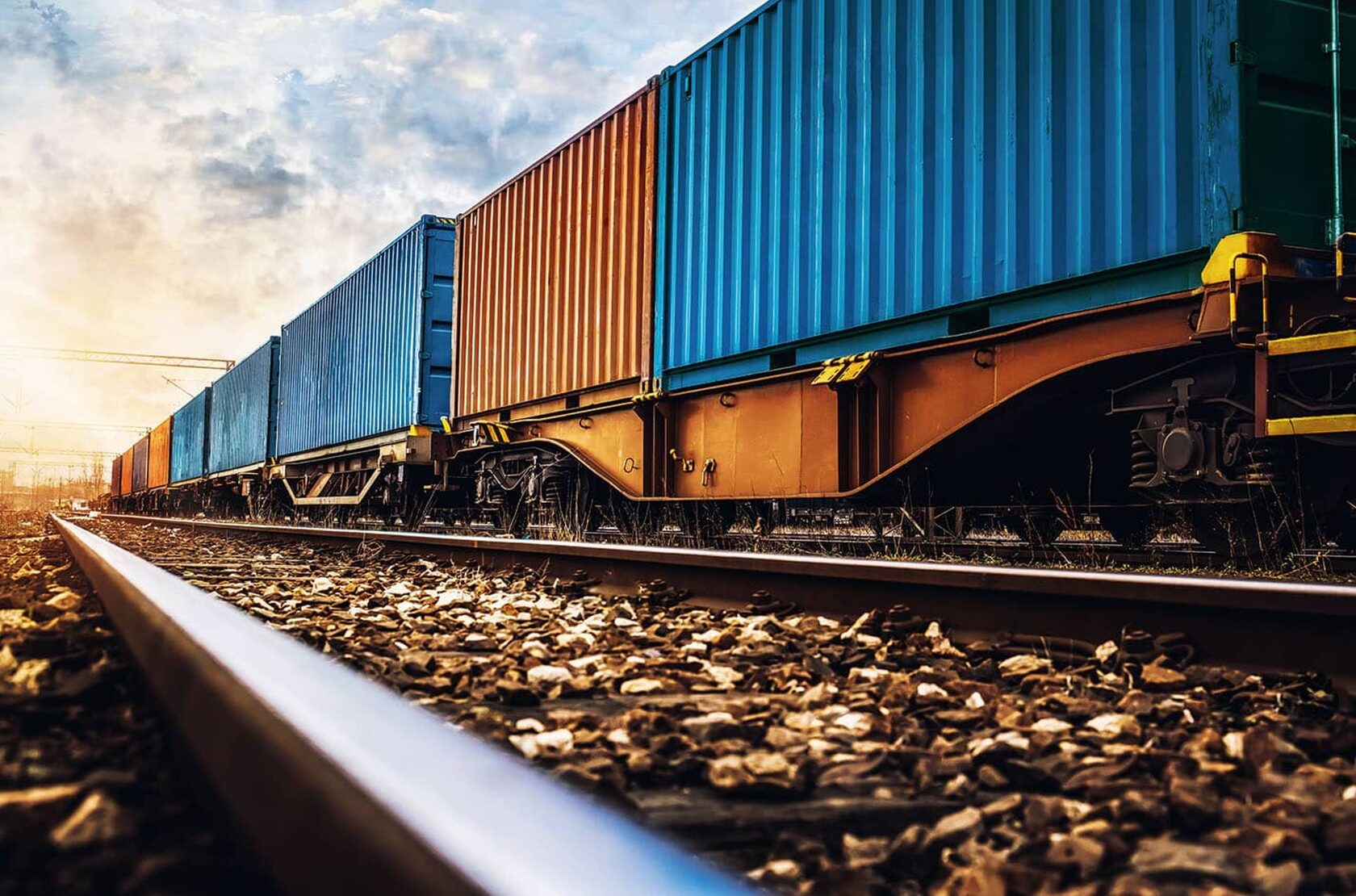
20- and 40-foot containersExpedited trainsWagon shipments
Delivery capabilities
Rail freight
We transport heavy and bulky cargo. Rail can form part of a multimodal route, with road transport to and from the station.
01
Large consignments
Trains are suitable for heavy and bulky loads.
02
Planning
Departure schedules help structure the delivery chain.
03
Sealing
The container is sealed at the departure station and opened at its destination.
04
Support
We assist with the request, paperwork and terminal operations.
Shipping options
The right solution. For your task.
01
Door to door
We collect cargo from the shipper's warehouse and deliver it to the consignee's warehouse.
02
Door to station
We collect the cargo from the shipper. The consignee arranges receipt at the destination station.
03
Station to door
The shipper brings cargo to the station. We arrange rail transport and final delivery to the consignee's warehouse.
Delivery management
From enquiry to consignee.
01
We agree the cargo details and delivery plan
02
We provide a container for loading
03
We prepare paperwork and sealing
04
We arrange rail transport
05
We hand over cargo at the station or warehouse
What door-to-door service includes
01
At the shipper's end
Container positioning for loading, road haulage to the station and submission of the transport request.
02
Rail leg
Sealing, departure charges, freight charges and use of the rail platform and container.
03
Terminal
Terminal services within the agreed scope of transport.
04
At the consignee's end
Road delivery from the station to the consignee's warehouse.
Delivery questions
Let's explore the details.
How to select a container for rail freight
Standard 20- and 40-foot containers suit many dry goods. High Cube offers extra height, Open Top allows loading from above and Flat Rack suits oversized cargo. Refrigerated containers serve temperature-controlled goods. The choice depends on cargo dimensions, weight and properties.
How much cheaper is rail than road transport?
Rail may be more economical for long distances and large consignments. There is no universal percentage difference: compare the entire route, including container positioning, terminals and delivery to the consignee.
What restrictions apply to rail freight?
Rail freight has several limitations that can affect its suitability:
Dimensions and weight: Cargo must meet prescribed dimension and weight limits for safe transport. Oversized and heavy loads require special permits and may be restricted to certain routes.
Cargo type: Some cargo, including dangerous substances, requires strict safety rules and special conditions. Explosives, toxic and radioactive materials require additional precautions.
Route: Not all rail routes can accommodate every cargo type. Some sections may prohibit dangerous goods or impose weight limits.
Delivery speed: Rail may be slower than road transport, especially over short distances. This can matter for time-sensitive cargo.
Infrastructure: The condition of tracks, stations and terminals affects efficiency and safety. Some regions may lack infrastructure for large cargo volumes.
New City works with all freight transport modes. Our specialists will select the most suitable transport and route for your requirements.
Your next route starts here
Ready to discuss your shipment.
Tell us what you need to ship and where. We will choose a suitable mode of transport.
Yandex Metrica helps us understand how the site is used. Allow its cookies? The site also works without analytics. Language and theme preferences are saved separately.