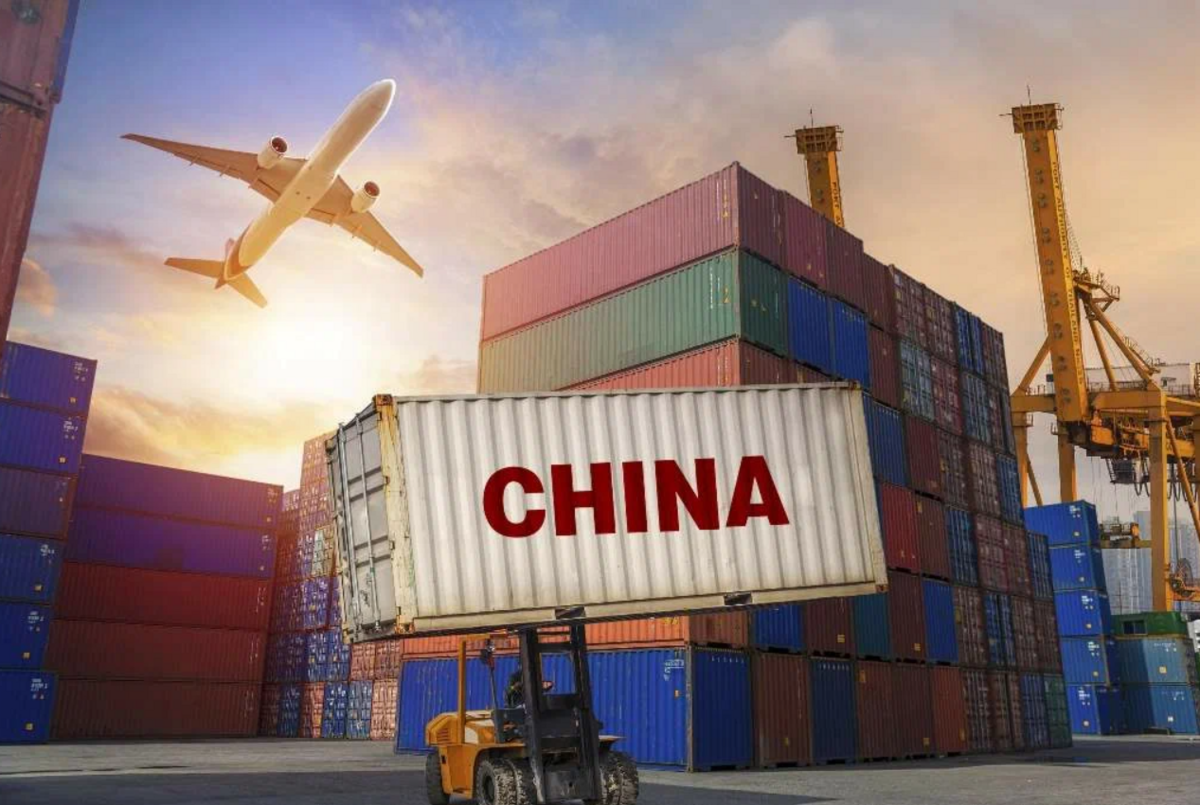
In 2024, Russia's logistics sector continued developing rapidly, focusing on infrastructure modernisation, international cooperation and innovative technologies. Major developments included new roads, ports and transport hubs, alongside partnerships with India, China and Kazakhstan.
Infrastructure development
New roads and transport corridors
One of the year's largest projects was completion of the M-12 road linking Moscow and Kazan. At over 800 km, it reduced travel time and improved access to the Volga and Urals regions. Construction also began on the second stage towards Yekaterinburg, part of the Europe–Western China international transport corridor.
The Eastern Railway Network's Baikal–Amur Mainline and Trans-Siberian modernisation was completed. Coal and container volumes increased by 25% from 2023, easing pressure on western routes.
Ports and transport hubs
A new deep-water port in Taman began operating in September 2024, with capacity of up to 15 million tonnes a year. It supports grain and coal exports to Asia, Africa and the Middle East. In the Baltic region, expansion of Vysotsk and Lugaport increased grain and mineral fertiliser handling capacity.
The Sibirsky multimodal transport and logistics centre was completed in Novosibirsk Region. Its capacity of up to one million containers annually improved freight efficiency in Siberia and the Russian Far East.
International cooperation
Russia and India
Russia and India strengthened cooperation on the International North–South Transport Corridor in 2024. Freight volumes grew by 40% to over 15 million tonnes, led by petroleum products, grain and industrial goods. Construction also began on a new port at Chabahar, Iran, intended as a transit hub between Russia and India.
Russia and China
China remained a priority partner. In 2024, a new rail link between Blagoveshchensk and Heihe raised freight volumes by 30%. Work began on a bridge across the Ussuri River linking Primorye and Heilongjiang. Bilateral trade reached a record $220 billion, with rail and sea carrying a substantial share.
Russia and Kazakhstan
Russia and Kazakhstan deepened transport integration within the Eurasian Economic Union. Modernisation of the Orenburg–Aktobe railway was completed in 2024, raising capacity by 20%. Kazakhstan became a key transit partner on the North–South and Europe–China corridors.
Innovative logistics technologies
Technology adoption accelerated in 2024. AI-controlled autonomous trucks began operating between Moscow and Saint Petersburg with minimal delivery delays. By year-end, over 50 were in use on Russian roads.
Electronic document systems and automated border terminals sped up cargo processing. IoT sensors enabled real-time condition monitoring, especially valuable for perishable goods.
Development outlook
Despite challenges, Russia continues expanding logistics capacity and international cooperation. Plans include completing the Europe–Western China corridor, modernising Primorye ports and developing Arctic routes, strengthening Russia's role in global logistics and supporting sustainable economic growth.